
A clogged or outdated water filter can turn a premium refrigerator into a source of off-tasting ice and sluggish water flow. Thermador refrigerators, known for their high-end features and built-in configurations, rely on quality filtration to deliver clean, fresh water. Whether the dispenser is dripping slower than usual or the filter indicator light is blinking, understanding how to identify, replace, and maintain the water filter keeps the appliance running at peak efficiency. This guide walks through everything needed to manage Thermador refrigerator water filters, from selecting the correct replacement to troubleshooting common issues.
Table of Contents
ToggleKey Takeaways
- A Thermador refrigerator water filter should be replaced every six months to prevent slow water flow, bad taste, and potential contamination from sediment, bacteria, and mold.
- Always verify your exact Thermador model number before purchasing a replacement water filter, as models use different filter types like the 00740560 (REPLFLTR10) or 00642956 (BORPLFTR50), and third-party options must carry NSF 42 and 53 certifications.
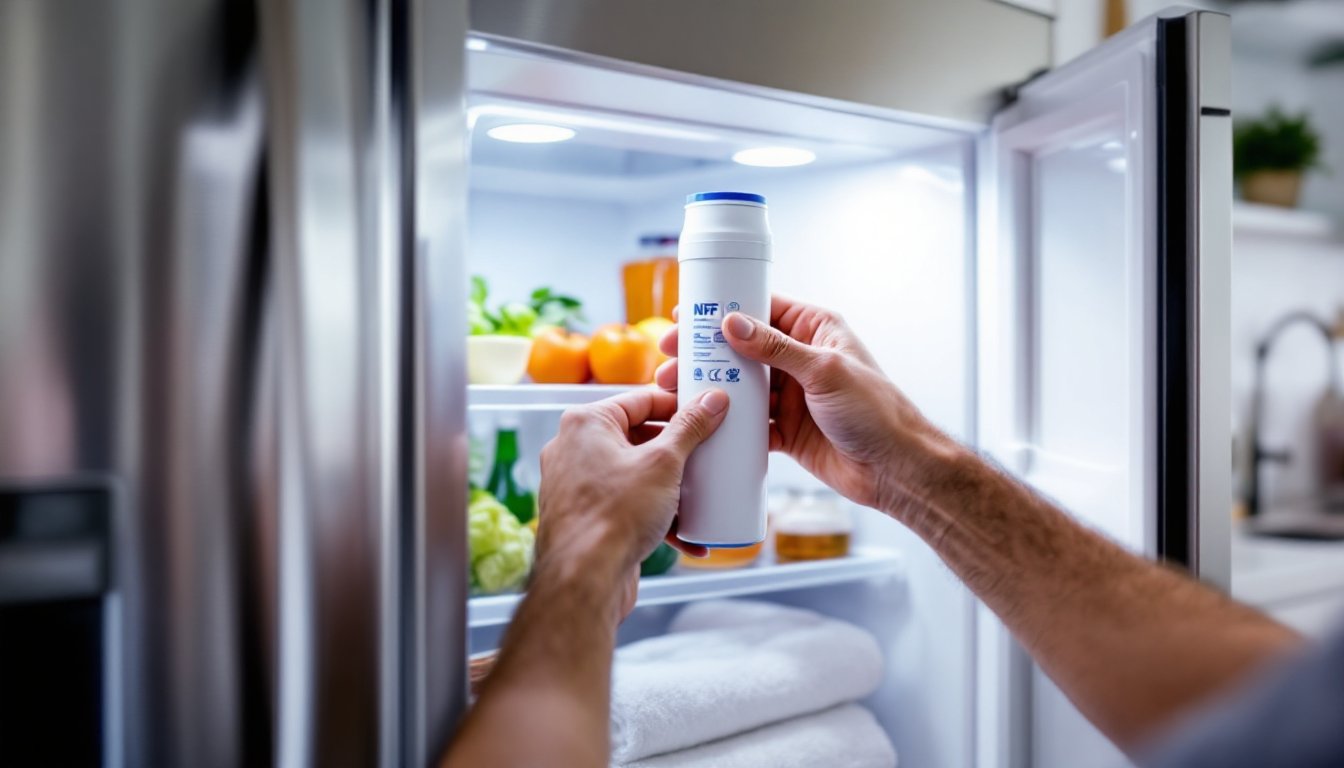
- Replace your Thermador water filter by twisting counterclockwise to remove the old cartridge, checking that the new filter cap and seals are removed, aligning the filter with the housing notch, twisting clockwise to lock, and then flushing 2-3 gallons of water to clear carbon fines.
- Watch for warning signs that your water filter needs immediate replacement, including slow dispenser flow, off-taste or musty odor, cloudy water, and declining ice quality.
- If your Thermador water filter won’t lock into place or shows no water flow after installation, verify the filter is fully seated and aligned with the housing mark, then dispense water for 30-60 seconds to purge air from the lines.
Why Your Thermador Refrigerator Water Filter Matters
Water filters do more than improve taste. They remove contaminants like chlorine, lead, mercury, and sediment that municipal water systems don’t always catch. Thermador filters are certified to NSF/ANSI standards 42 and 53, meaning they reduce both aesthetic impurities (chlorine taste and odor) and health-related contaminants (heavy metals, cysts).
Neglecting filter replacement can lead to several problems. First, flow rate drops as sediment accumulates, making the dispenser painfully slow. Second, bacteria and mold can grow on a saturated filter, potentially contaminating the water supply. Third, the refrigerator’s ice maker and water valve work harder to push water through a clogged filter, which can shorten component lifespan.
Thermador’s built-in models, like those in the Freedom Collection, often feature flush-mounted dispensers and premium filtration systems. These units are designed for seamless integration and high performance, but they demand regular maintenance. A fresh filter ensures the appliance delivers the clean water and ice it was engineered to provide.
Ignoring the filter indicator light isn’t just about taste, it’s about protecting the investment in a high-end appliance and safeguarding household water quality.
Identifying the Right Water Filter for Your Thermador Refrigerator
Thermador uses model-specific filters, so grabbing any generic cartridge won’t work. The model number is the key to finding the correct replacement. It’s typically located on a label inside the refrigerator compartment, often on the upper left or right wall, or on the ceiling panel.
Most Thermador refrigerators use one of two filter types:
- 00740560 (REPLFLTR10): A twist-in cartridge filter common in newer built-in models. It’s a cylindrical filter that locks into place with a quarter-turn.
- 00642956 (BORPLFTR50): Another twist-lock design used in select models, identifiable by a slightly different cap design.
Third-party filters are available and often cost less than OEM (original equipment manufacturer) replacements. But, not all aftermarket filters meet NSF certification standards. If choosing a third-party option, verify it carries NSF 42 and 53 certifications. Brands like EveryDrop, Waterdrop, and PureSource offer compatible filters, but checking the spec sheet is critical.
Avoid the temptation to skip the filter and use a bypass plug long-term. While Thermador includes a bypass plug for service or non-filtered water use, it’s not a permanent solution. Water dispensed without filtration lacks the contaminant reduction that protects both health and appliance components.
When ordering, double-check the model number against the filter packaging. A mismatch can mean wasted money and a continued dirty filter problem.
How to Replace Your Thermador Water Filter: Step-by-Step Instructions
Locating Your Filter
Thermador water filters are typically housed in the upper right interior of the refrigerator compartment, behind the top shelf or crisper drawer. Some models place the filter in the base grille at the bottom front of the unit. Check the owner’s manual if the location isn’t immediately obvious, Thermador’s manual library is available online by model number.
Before starting, remove any items from the shelf or drawer blocking access. There’s no need to shut off water or power to the refrigerator for a standard filter swap, but having a towel or small bowl handy is smart. Residual water in the housing can drip during removal.
Removal and Installation Process
-
Twist the old filter counterclockwise about a quarter-turn. Most Thermador filters have a grip tab or textured surface for easier turning. If it’s stuck, don’t force it, sediment buildup can make removal stiff. Gently wiggle while twisting.
-
Pull the filter straight out. Expect a small amount of water to spill (usually 1-2 tablespoons). Tilt it slightly to drain into the towel.
-
Remove the cap from the new filter. Some filters come with a protective cap over the threads: others have a plastic seal over the inlet. Double-check that any protective coverings are fully removed before installation.
-
Align the new filter with the housing. The filter has a notch or arrow indicating proper orientation. Push it straight in until it seats firmly.
-
Twist clockwise a quarter-turn until it locks. The filter should sit flush with the housing. If it feels loose or won’t lock, remove and try again, misalignment is the most common installation mistake.
-
Flush the system. Dispense 2-3 gallons of water through the dispenser. This clears carbon fines (harmless black specks from the new filter media) and purges air from the lines. The first few glasses may look cloudy or contain specks, this is normal.
-
Reset the filter indicator. Most Thermador models require a manual reset. Press and hold the water filter button for 3-5 seconds until the indicator light turns off or changes color. Refer to the control panel layout in the manual if the button location varies by model.
The entire process takes about five minutes. No tools are required, and there’s no need to call a technician unless the housing itself is damaged or leaking.
When to Replace Your Thermador Water Filter
Thermador recommends replacing the water filter every six months, regardless of usage. This interval is based on average household water consumption of 2-3 gallons per day. Homes with higher usage, large families, frequent ice use, or hard water, may need to replace filters more often.
The refrigerator’s filter indicator light is the primary reminder. It changes color or illuminates when the filter reaches its capacity (typically around 300 gallons). Ignoring the light doesn’t stop the filter from working immediately, but performance degrades quickly after the threshold.
Other signs that a filter needs replacement:
- Slow water flow: If the dispenser takes noticeably longer to fill a glass, the filter is likely clogged.
- Off taste or odor: A musty, metallic, or chlorine taste indicates the filter media is saturated and no longer adsorbing contaminants.
- Cloudy or discolored water: While some cloudiness after a new filter install is normal, persistent cloudiness suggests the old filter is shedding particles or harboring buildup.
- Ice quality decline: If ice cubes taste off or smell funky, the filter isn’t cleaning the water supply to the ice maker.
Hard water areas may see sediment clog filters faster. If municipal water has high mineral content or visible sediment, consider replacing filters every four months instead of six. Regular maintenance advice from Today’s Homeowner emphasizes that proactive replacements prevent bigger appliance issues down the line.
Mark filter changes on a calendar or set a phone reminder. Waiting until the dispenser slows to a trickle means the filter has been overworked for weeks.
Troubleshooting Common Water Filter Issues
No water flow after installing a new filter: First, verify the filter is fully seated and twisted to lock. If the filter isn’t aligned correctly, it can block water flow. Remove and reinstall, ensuring the arrow or notch aligns with the housing mark. Second, check for air in the lines, dispense water continuously for 30-60 seconds to purge air pockets.
Filter won’t lock into place: This usually means the filter isn’t pushed in far enough before twisting. Press firmly until it won’t go any deeper, then twist. If the housing threads are damaged or cross-threaded, the filter won’t lock. Inspect the housing for cracks or debris. A damaged housing requires a service call.
Indicator light won’t reset: On most Thermador models, the reset button must be held for 3-5 seconds until the light changes. If it doesn’t respond, try unplugging the refrigerator for 30 seconds to reset the control board. If the light still won’t reset, the control panel may need service, but this is rare.
Water tastes bad even with a new filter: Ensure the filter cap and seals were fully removed before installation. Some counterfeit or low-quality filters don’t meet filtration standards, stick with NSF-certified options. If the problem persists, the issue may be upstream in the home’s plumbing, not the refrigerator filter.
Leaking around the filter housing: A small drip during removal is normal, but ongoing leaks indicate a problem. Check that the filter is locked in place and the O-ring (the rubber gasket on the filter) isn’t damaged. If the O-ring is torn or the housing is cracked, the part needs replacement. This isn’t a DIY fix if the housing is integrated into the refrigerator’s water system, contact Thermador service.
Black specks in water or ice: This is carbon fines from a brand-new filter and is harmless. Flush 2-3 gallons through the dispenser after every filter change to clear them. If specks persist beyond the first few days, the filter may be defective. Many kitchens rely on resources like The Kitchn for appliance upkeep tips, which often emphasize the importance of proper flushing.
If troubleshooting doesn’t resolve the issue, consult the owner’s manual or contact Thermador’s customer support. Some problems, like a faulty water valve or control board issue, require professional diagnosis. Built-in refrigerators, including those highlighted in refrigerator reviews, are engineered for longevity, but they’re complex appliances. Don’t hesitate to call a tech if a simple filter swap doesn’t fix the problem.