
A refrigerator that runs too warm doesn’t just spoil food, it quietly drains your wallet. Most homeowners never check their fridge temperature after installation, assuming factory settings are good enough. They’re not. Between door seals that sag over time, condenser coils caked with dust, and overcrowded shelves blocking airflow, even a well-built fridge can lose efficiency fast. The good news? Most cooling problems don’t need a service call. With a few adjustments and regular maintenance, homeowners can drop their energy bills, extend appliance life, and keep food fresher. Here’s how to make a refrigerator run cooler and smarter.
Table of Contents
ToggleKey Takeaways
- A cooler refrigerator maintained at or below 37°F prevents foodborne illness from bacteria like Listeria and Salmonella while reducing energy waste by avoiding excessive cooling.
- Simple DIY maintenance—cleaning condenser coils every 6–12 months, replacing worn door gaskets ($50–$150), and checking temperature with an appliance thermometer—can dramatically improve cooling performance without a service call.
- Proper airflow is critical to cooling efficiency; leave 1–2 inches of clearance around vents, avoid overcrowding shelves beyond 70–80% capacity, and let hot food cool before refrigerating to prevent the compressor from overworking.
- Modern cooler-running refrigerators with inverter compressors, dual evaporators, and Energy Star Most Efficient certification use 30% less energy than traditional models and deliver 15–20% annual savings.
- Replacing a refrigerator older than 15 years often costs less than repairing failed compressors or low refrigerant charges, as older units consume 30–50% more electricity than current efficient models.
- Strange noises, frost buildup, constantly running compressors, or energy bills jumping 15–20% are warning signs that your refrigerator needs professional inspection or replacement.
Why Your Refrigerator Temperature Matters More Than You Think
Food safety and energy consumption both hinge on maintaining the right internal temperature. The FDA recommends keeping the refrigerator compartment at 37°F (3°C) or below, and the freezer at 0°F (-18°C). A fridge running just 5 degrees warmer can allow bacteria like Listeria and Salmonella to multiply, especially in dairy, meat, and prepared foods.
On the flip side, a fridge set too cold wastes electricity. For every degree below the ideal range, energy use climbs roughly 5%, according to appliance efficiency studies. That adds up over a year, especially for older units without inverter compressors.
Temperature inconsistency is just as problematic. If the thermostat’s placement or a faulty sensor causes the compressor to cycle erratically, some zones may freeze while others hover in the danger zone above 40°F. This is common in units with blocked vents or overloaded shelves that restrict airflow.
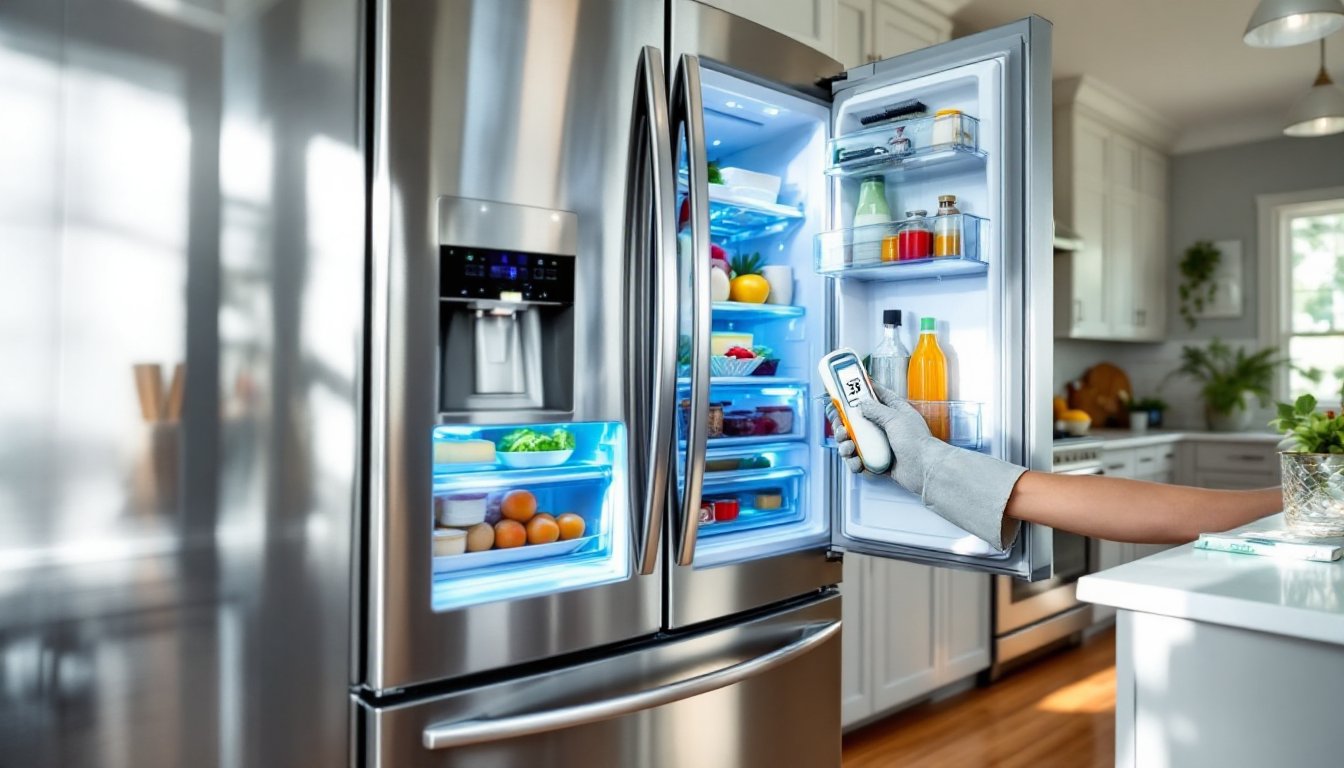
Homeowners should use an appliance thermometer, not the built-in digital readout, to verify actual temps. Place one in a glass of water on the middle shelf and check it after 24 hours. If it reads above 37°F, adjustments are needed.
Simple Adjustments to Make Your Refrigerator Run Cooler
Start with the thermostat dial, usually numbered 1 to 5 or 1 to 7, with higher numbers meaning colder temps. If the fridge feels warm, turn it up one notch and wait 24 hours before checking again. Avoid cranking it to max, compressors aren’t designed for continuous operation and will burn out faster.
Check the door seal (gasket) next. Close the door on a dollar bill: if it slides out easily, the seal is compromised. Worn gaskets let warm air seep in, forcing the compressor to run longer. Replacement gaskets cost $50–$150 depending on the model and are usually a straightforward DIY swap, just peel off the old one and press the new gasket into the retaining groove.
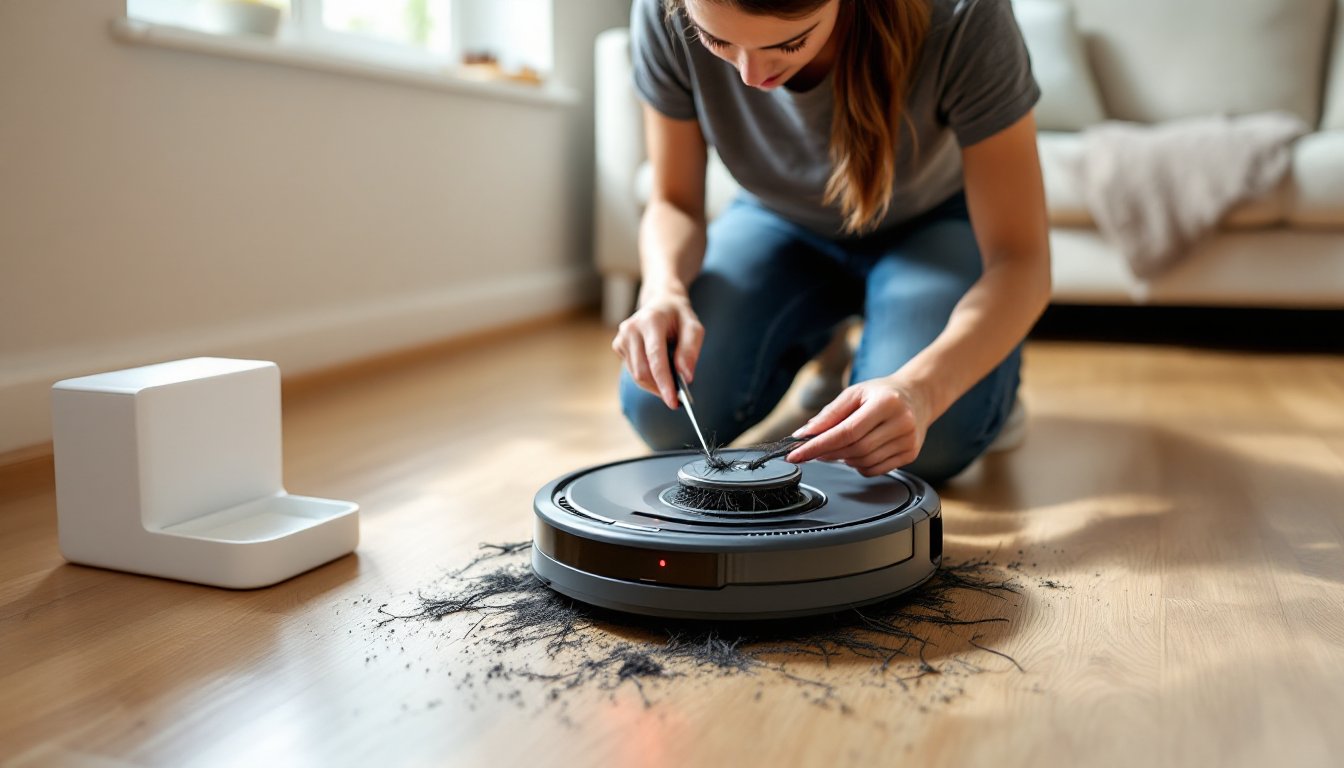
Condenser coils are the most overlooked efficiency killer. These coils, located on the back or beneath the unit, dissipate heat. When they’re covered in dust, pet hair, or grease, the fridge can’t release heat properly, causing the compressor to overwork. Unplug the unit, pull it away from the wall, and use a coil brush (about $10 at hardware stores) or a vacuum with a brush attachment to clean them. Do this every six months if you have pets, yearly otherwise.
Optimize Temperature Settings for Different Zones
Many modern fridges have separate controls for the main compartment, crisper drawers, and deli drawers. Crisper drawers should run slightly warmer (around 40°F) with adjustable humidity vents, set high humidity for leafy greens, low for fruits. Deli drawers are designed to hover just above freezing (around 32°F) to keep meats and cheeses fresh without freezing.
If the fridge lacks zone controls, use the coldest spot (usually the back of the top shelf) for dairy and eggs, and the door, the warmest zone, for condiments only. Never store milk or raw meat in the door: temperature swings every time it opens can shorten shelf life.
Smart Organization Tips That Improve Cooling Performance
Airflow is everything. Refrigerators rely on convection, cold air circulating from the evaporator through vents and around shelves. Blocking vents with tall containers or overcrowding shelves forces the compressor to run longer.
Leave 1–2 inches between the back wall and stored items. Most fridges have rear vents that distribute cold air: covering them creates warm pockets. Side-by-side models often have vents along the back of both compartments, keep those clear, too.
Avoid stuffing the fridge to capacity. While a full freezer retains cold better (frozen mass acts as thermal ballast), an overpacked fridge restricts airflow. Aim for 70–80% full in the main compartment.
Store hot leftovers properly. Placing a steaming casserole dish directly into the fridge spikes internal temps and makes the compressor work overtime. Let hot food cool to room temperature first, or divide it into shallow containers to speed cooling. But, don’t leave perishables out longer than two hours (one hour if room temp exceeds 90°F).
Some food storage practices are better suited to short-term cooling rather than long-term refrigeration, especially when dealing with compact or beverage-style coolers that don’t maintain consistent low temperatures.
Keep a thermometer inside and check it weekly. If temps creep up after restocking, redistribute items to improve airflow.
Maintenance Tasks That Keep Your Fridge Cooler Longer
Defrost the freezer if ice buildup exceeds 1/4 inch. Frost insulates the evaporator coils, reducing cooling efficiency. Manual-defrost models need this done every few months: auto-defrost units can still develop frost if the defrost heater or timer fails.
Clean the drip pan and drain tube annually. The drain tube carries condensation from the defrost cycle to the drip pan under the fridge. If it clogs with food particles or mold, water backs up and can freeze, blocking airflow. Flush the tube with a mixture of warm water and a few drops of dish soap using a turkey baster or small funnel.
Inspect the evaporator fan (inside the freezer compartment, usually behind a panel). If it’s making noise or not spinning, the fridge won’t cool evenly. This repair typically requires removing a few screws and unplugging a wire harness, doable for a confident DIYer, but if the fan motor is shot, replacement parts run $40–$80.
Check the condenser fan (next to the compressor, under or behind the unit). It pulls air across the condenser coils. If it’s clogged or failing, the compressor overheats. Clean the blades and test the motor by spinning it manually: it should turn freely. If it’s seized, replace it.
Level the refrigerator front-to-back and side-to-side using a bubble level and adjustable feet. An unlevel fridge causes doors to sag, compromising the seal. Most units should tilt back slightly (about 1/4 inch over 24 inches of depth) so doors swing closed on their own.
Wear work gloves when handling coils or reaching behind the unit, sharp edges and hot components are common. Unplug before any maintenance involving electrical components.
When to Upgrade: Signs Your Refrigerator Isn’t Cooling Properly
If the compressor runs constantly but temps stay above 40°F, the refrigerant charge may be low or the compressor failing. Refrigerant leaks require an EPA-certified technician to diagnose and repair, this isn’t a DIY fix. Costs range from $200–$400 for a recharge, but if the compressor itself is bad, replacement runs $500–$1,000. On a fridge over 10 years old, that’s often more than the unit is worth.
Frost patterns inside the freezer can signal a defrost system failure. If frost accumulates only on one side or around the evaporator fan, the defrost heater, thermostat, or timer likely needs replacing. Parts are $20–$60, but diagnosing which component failed requires a multimeter and some electrical know-how.
Strange noises, clicking, buzzing, or grinding, often point to failing motors (evaporator fan, condenser fan, or compressor). A compressor on its last legs may click on and off rapidly or hum loudly without cooling. Once a compressor fails, replacement is rarely economical.
Energy bills creeping up without explanation can indicate the fridge is running inefficiently. Compare current bills to the same season last year. If consumption jumped 15–20% and other appliances are unchanged, the fridge is likely the culprit.
Units older than 15 years should be evaluated for replacement even if still functional. They lack modern insulation and inverter compressors, using 30–50% more electricity than current Energy Star models.
Energy-Saving Features in Modern Cooler-Running Refrigerators
Inverter compressors are the biggest efficiency upgrade in the last decade. Unlike traditional compressors that cycle on/off at full power, inverter models vary speed based on cooling demand, reducing energy use by up to 30% and running quieter.
Dual evaporators (one for the fridge, one for the freezer) prevent odor transfer and allow independent humidity control. Single-evaporator designs pull air from the freezer to cool the fridge, which dries out produce faster.
Vacuum-insulated panels (VIPs) in premium models provide better thermal retention in thinner walls, freeing up interior space without increasing the footprint. This tech is common in European and high-end Asian brands but adds $200–$500 to the sticker price.
For those interested in smart home integration, modern units offer Wi-Fi connectivity for temperature monitoring, diagnostic alerts, and energy tracking via smartphone apps. Some models integrate with home automation systems to optimize cooling during off-peak electricity rates.
Door-in-door designs reduce cold air loss by providing access to frequently used items without opening the main compartment. Independent testing shows these can cut energy waste from door openings by roughly 10%.
Look for the Energy Star Most Efficient label, not just standard Energy Star. The “Most Efficient” tier represents the top 5–10% of models and typically saves an additional $20–$40 annually compared to baseline Energy Star units.
Counter-depth models and French-door layouts aren’t inherently more efficient, but better kitchen organization from thoughtful design can reduce the time doors stay open during meal prep, which indirectly saves energy.
When shopping, compare the yellow EnergyGuide label for estimated annual operating cost. A difference of $20/year over a 15-year lifespan equals $300, enough to offset a modest upcharge for a better model.