
If you’re tired of hauling out the bucket and wringing out a traditional mop, the Shark Lift Away Steam Mop might be the upgrade your cleaning routine needs. This dual-function tool combines a full-size steam mop with a detachable handheld steamer, making it versatile enough to tackle floors, grout, countertops, and more. But does it live up to the hype? In this guide, you’ll learn how the Lift Away works, which floors it’s best suited for, how to use it properly, and how to troubleshoot common problems so you get years of reliable use out of it.
Table of Contents
ToggleKey Takeaways
- The Shark Lift Away Steam Mop combines a full-size mop with a detachable handheld steamer, providing chemical-free cleaning for floors, grout, countertops, and more in one versatile tool.
- Always sweep or vacuum before steam mopping, use distilled water to prevent mineral deposits, and flip the microfiber pad halfway through cleaning for best results.
- Steam mopping works safely on sealed ceramic, porcelain, and vinyl flooring, but avoid using it on unsealed hardwood, natural stone, or waxed floors to prevent damage.
- Regular maintenance—including monthly descaling with vinegar, washing microfiber pads without fabric softener, and emptying the water tank after each use—extends the Shark Lift Away’s lifespan significantly.
- Common issues like weak steam output, water leaks, and streaky floors are usually caused by mineral buildup, dirty pads, or improper technique and can be resolved without professional service.
What Makes the Shark Lift Away Steam Mop Stand Out?
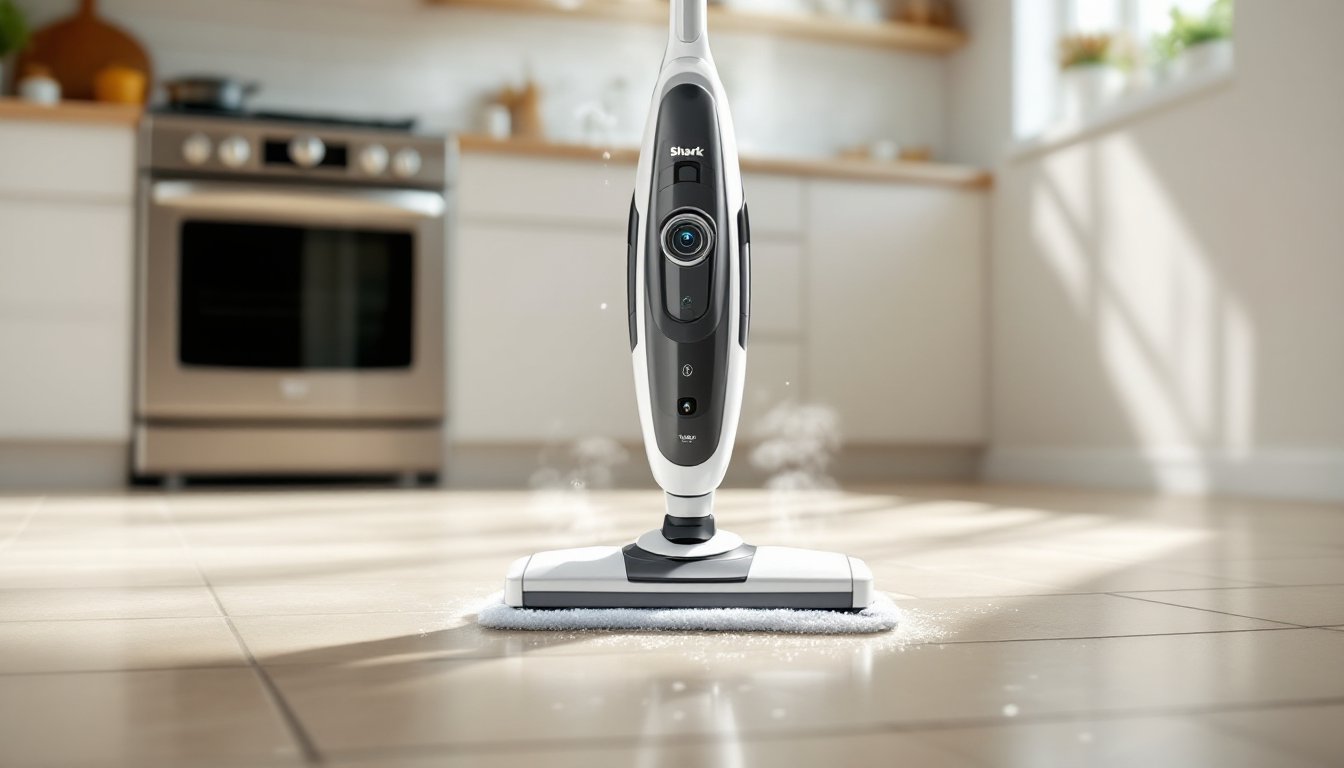
The Shark Lift Away isn’t just another steam mop. Its defining feature is the detachable handheld pod that converts the unit into a portable steamer for above-floor cleaning. You’re getting two tools in one footprint, which is a smart move if storage space is tight.
The unit heats water to approximately 212°F, producing steam hot enough to break down grease, grime, and sticky residues without chemical cleaners. That’s a big plus for homes with kids, pets, or anyone sensitive to cleaning product fumes. Steam sanitizes surfaces by killing up to 99.9% of common household bacteria when used correctly, though it’s not a replacement for disinfecting high-touch areas during illness.
Another standout: the dual-sided washable microfiber pads. You flip the mop head mid-clean to use the fresh side, effectively doubling your cleaning surface before swapping pads. The pads are machine-washable, so you’re not burning through disposable pads like some other steam mop models.
Key Features and Technology
- Detachable handheld steamer pod: Lift off the main unit to steam tile grout, countertops, stovetops, upholstery, and even bathroom fixtures. Includes specialized nozzle attachments for detail work.
- On-demand variable steam control: Adjust steam output with a dial or trigger. Light steam for quick touch-ups, heavy steam for stuck-on messes. No need to wait for a heat-up cycle once it’s ready.
- Swivel steering and low-profile head: The mop head pivots to get under toe kicks, around table legs, and into tight corners. The slim profile slips under most furniture without you having to crouch.
- Water tank capacity: Typically holds around 12 ounces. That’s enough for about 15–20 minutes of continuous steaming, depending on your steam setting.
- Quick heat-up time: Ready to use in roughly 30 seconds. No long waits between fill-ups.
Testing by cleaning experts shows that Shark’s model delivers solid performance at a mid-range price point, making it a practical choice for most households.
How to Use Your Shark Lift Away Steam Mop for Best Results
Steam mopping is straightforward, but a few smart habits make a big difference in results and how long your floors look good.
Before you start:
- Sweep or vacuum first. Steam won’t pick up loose dirt, hair, or crumbs, it’ll just push them around and create muddy streaks. A quick pass with a broom or stick vac is non-negotiable.
- Fill the tank with distilled or filtered water. Tap water with high mineral content will leave deposits inside the steam chamber and shorten the unit’s lifespan. Distilled water is cheap insurance.
- Attach a clean microfiber pad. Dirty pads smear grime instead of lifting it. Start every session with a fresh or freshly laundered pad.
Operating the mop:
- Plug in the unit and wait for the ready indicator light (usually around 30 seconds).
- Press the steam trigger or turn the dial to your desired steam level. For light dust and maintenance cleaning, low steam works fine. For sticky spills or high-traffic kitchen floors, crank it up.
- Move slowly. This isn’t a race. Let the steam dwell on the floor for a moment to loosen dirt before you push forward. A slow, steady pace gives better cleaning than fast back-and-forth scrubbing.
- Flip the pad halfway through. When one side looks dirty, step on the quick-release pedal (or release mechanism, depending on your model) and flip the pad to the clean side.
- For the handheld mode, press the release button, lift the pod off the mop body, and attach the appropriate nozzle. Use the jet nozzle for grout lines, the scrub brush for baked-on stovetop messes, and the fabric tool for upholstery or drapes.
After cleaning:
- Unplug the unit and let it cool for a few minutes.
- Remove and rinse the microfiber pad under warm water, then toss it in the washing machine. Don’t use fabric softener, it clogs the fibers and reduces steam absorption.
- Empty any remaining water from the tank to prevent mineral buildup.
Which Floor Types Work Best with Steam Mopping?
Steam is powerful, but it’s not universal. Here’s the real story on what you can and can’t steam-clean safely.
Safe for steam:
- Sealed ceramic and porcelain tile: Steam excels here. It cuts through soap scum, grout stains, and tracked-in dirt without scratching.
- Sealed stone tile (granite, slate, travertine): As long as the grout and stone are properly sealed, steam won’t harm the surface. Test a small, hidden area first if you’re unsure about the seal.
- Vinyl plank (LVP) and sheet vinyl: Most modern luxury vinyl is steam-safe, but check the manufacturer’s care guidelines. Older vinyl with glued seams can lift if exposed to too much heat and moisture.
- Laminate flooring (with caution): Some laminate manufacturers approve light steam cleaning, others don’t. The risk is moisture seeping into seams and causing the core to swell. If you steam laminate, use the lowest steam setting and don’t let the mop sit in one spot.
Avoid steam on:
- Unsealed hardwood or engineered wood: Steam will penetrate the grain, causing warping, cupping, and finish damage. Even “steam-safe” hardwood claims are risky, stick to a damp (not wet) microfiber mop for wood.
- Unsealed natural stone (marble, limestone): Steam can etch the surface or seep into pores, staining the stone from within.
- Waxed or oiled floors: The heat will strip the protective layer you worked to apply.
Pro tip: If you’re unsure whether your floor is sealed, drip a few drops of water on an inconspicuous spot. If the water beads up, you’re sealed. If it soaks in, don’t steam.
For homeowners exploring home organization tips or maintaining various surfaces, understanding which tools work where prevents costly mistakes.
Maintenance Tips to Extend Your Steam Mop’s Lifespan
A well-maintained Shark Lift Away can last for years. Neglect it, and you’ll be shopping for a replacement sooner than you’d like.
After every use:
- Empty the water tank completely. Leaving water sitting invites mineral deposits and mold growth.
- Rinse the microfiber pad immediately. Dried-on dirt is harder to wash out later.
- Wipe down the mop head and nozzle to remove any debris or residue.
Weekly (if you use it often):
- Wash microfiber pads in the washing machine with detergent but no fabric softener or bleach. Air dry or tumble dry on low. Softener coats the fibers and reduces their ability to grab dirt and absorb steam.
Monthly:
- Descale the steam chamber. Even with distilled water, some mineral buildup can occur. Fill the tank with a 50/50 mix of white vinegar and distilled water, run the steamer for a few minutes (not on your floor, do this over a sink or outside), then rinse thoroughly with plain distilled water and run again to flush out vinegar residue.
- Check nozzle attachments and hoses for clogs. Use a toothpick or small brush to clear steam vents if flow seems weak.
Storage:
- Store the unit upright in a dry location. Don’t wrap the cord tightly around the handle, it stresses the wiring. Use the built-in cord wrap or a loose coil.
- Keep extra microfiber pads on hand. Shark sells replacements, but generic steam mop pads that fit your model’s dimensions work fine and cost less.
Safety note: Always unplug the unit and let it cool completely before performing any maintenance. Steam burns are no joke, wear gloves if you’re handling the unit shortly after use.
Common Issues and Troubleshooting Solutions
Even a reliable tool like the Shark Lift Away can hiccup. Here’s how to fix the most common problems without calling customer service.
No steam or weak steam output:
- Check the water level. Sounds obvious, but it’s the most common culprit.
- Inspect the nozzle and steam vents for clogs. Mineral deposits can block the tiny steam holes. Descale the unit as described above.
- Make sure the tank is seated properly. If it’s not clicked into place, steam won’t flow.
- Let it heat up fully. If you’re impatient and start steaming before the ready light comes on, steam will be weak or absent.
Water leaking from the mop head:
- Overfilled tank: Don’t fill past the max line. Excess water has nowhere to go but out.
- Worn or torn microfiber pad: A damaged pad won’t absorb steam properly, so water drips through. Replace the pad.
- Loose water tank seal: Check that the tank cap is screwed on tightly and that the gasket isn’t cracked or missing.
Mop leaves streaks or residue:
- Dirty pad: The pad is full of old dirt. Flip it or swap it out.
- Hard water buildup: Even if you’re using distilled water now, old mineral deposits can flake off inside and land on your floor. Descale the unit.
- Moving too fast: Slow down. The steam needs time to dissolve grime before you wipe it away.
Handheld pod won’t release:
- Check the lock mechanism. Some models have a safety lock that prevents removal while the unit is hot or pressurized. Let it cool and depressurize (release steam until it stops) before trying again.
- Clean around the release button. Dirt and grime can gum up the mechanism.
Unit won’t turn on:
- Test the outlet with another device to rule out a tripped breaker.
- Inspect the power cord for damage, especially near the plug and where it enters the unit.
- Check for a reset button (not all models have one, but some do). Consult your user manual.
If none of these fixes work, contact Shark’s customer support. The Lift Away typically comes with a limited warranty covering defects in materials and workmanship.
For more comprehensive home improvement how-tos and troubleshooting advice, exploring trusted resources can save you time and frustration.
Conclusion
The Shark Lift Away Steam Mop is a solid, versatile tool for anyone who wants chemical-free cleaning without the hassle of a mop bucket. It works best on sealed hard floors, handles everyday messes with ease, and the detachable handheld steamer adds real value for above-floor tasks. Stick to distilled water, keep those microfiber pads clean, and descale monthly, and you’ll get years of reliable performance. Just know your floor type before you start steaming, and you’ll avoid the most common mistakes DIYers make.